
2024
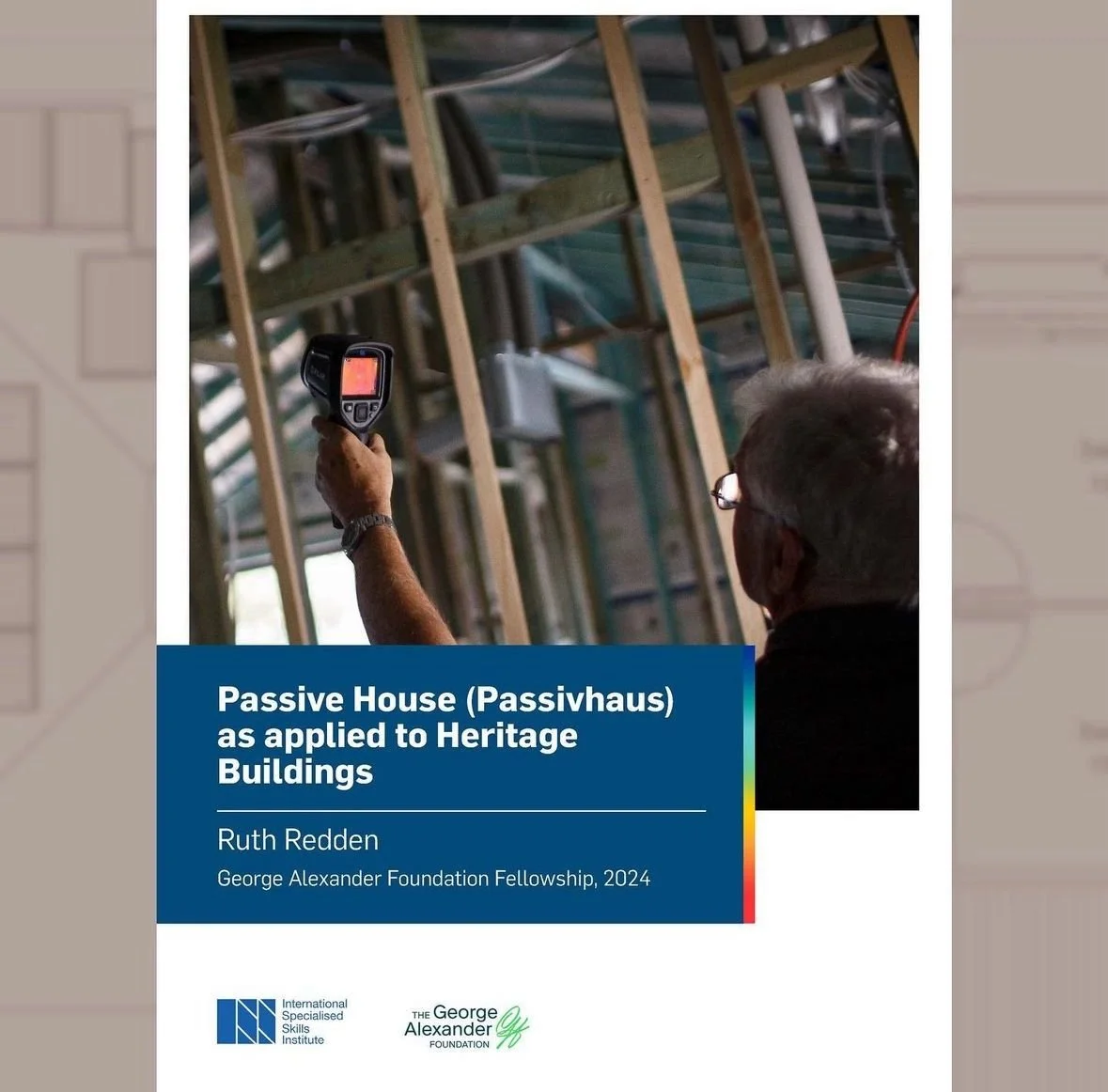
It took me some time but I’ve completed my International Specialised Skills Institute and The George Alexander Foundation Fellowship report on “Passive House as applied to heritage buildings”.
We know that adapting and decarbonising existing buildings is essential in the race to slow global warming and the associated impacts of climate change. In the search for a sustainability framework that acknowledges the environmental benefits of conserving historic buildings, and one that complements best practice building conservation, this fellowship investigated the Passive House standard as applied to heritage buildings.
In completing the fellowship, I undertook:
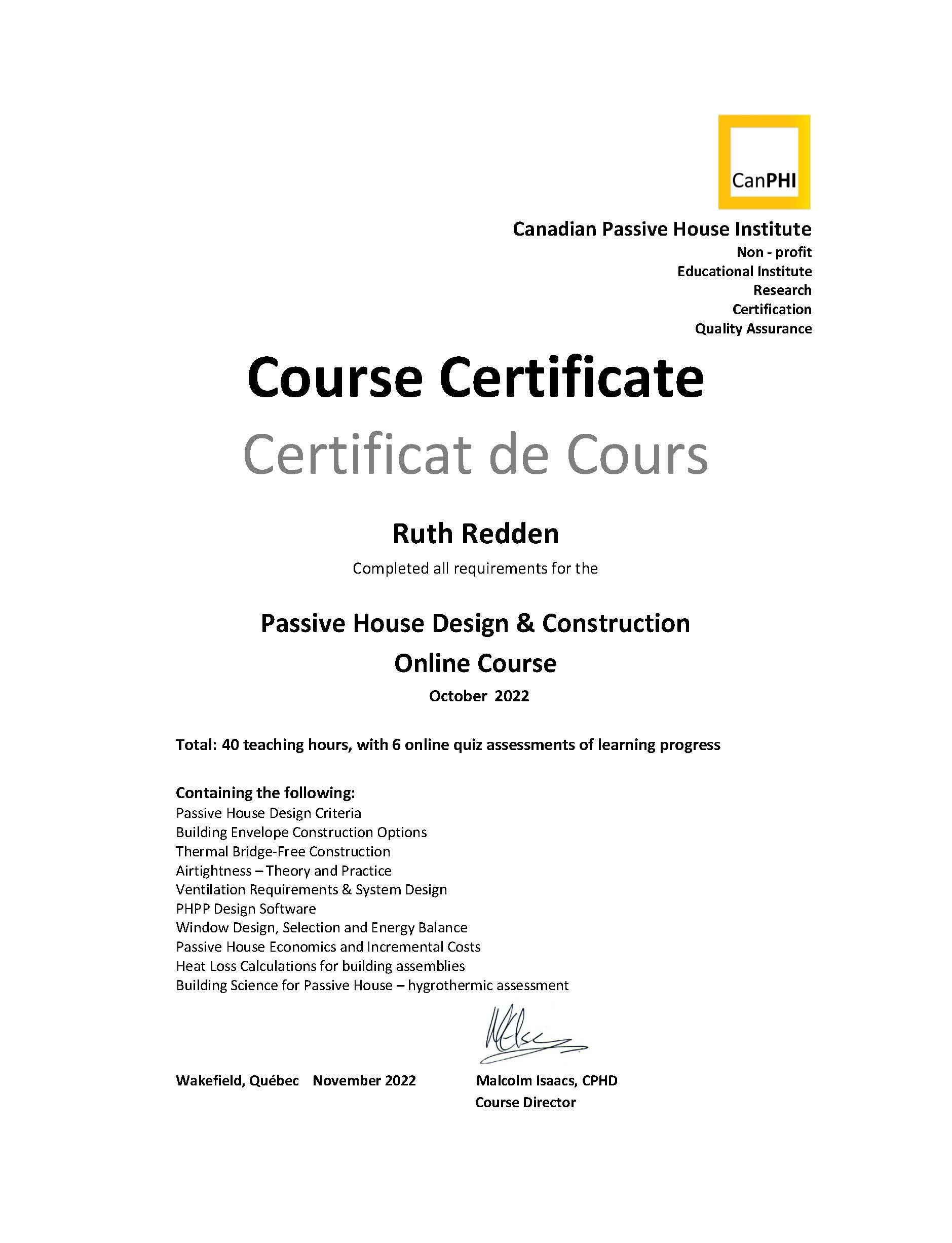
• Training through the Canadian Passive House Institute (Passive House Design and Construction Course)
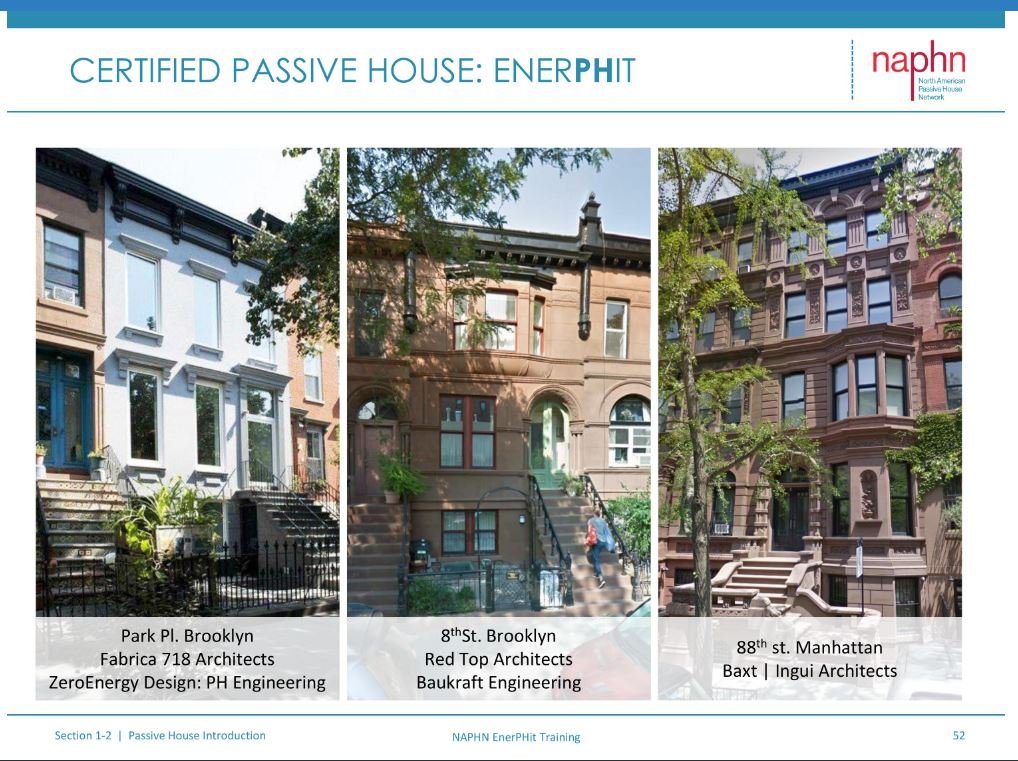
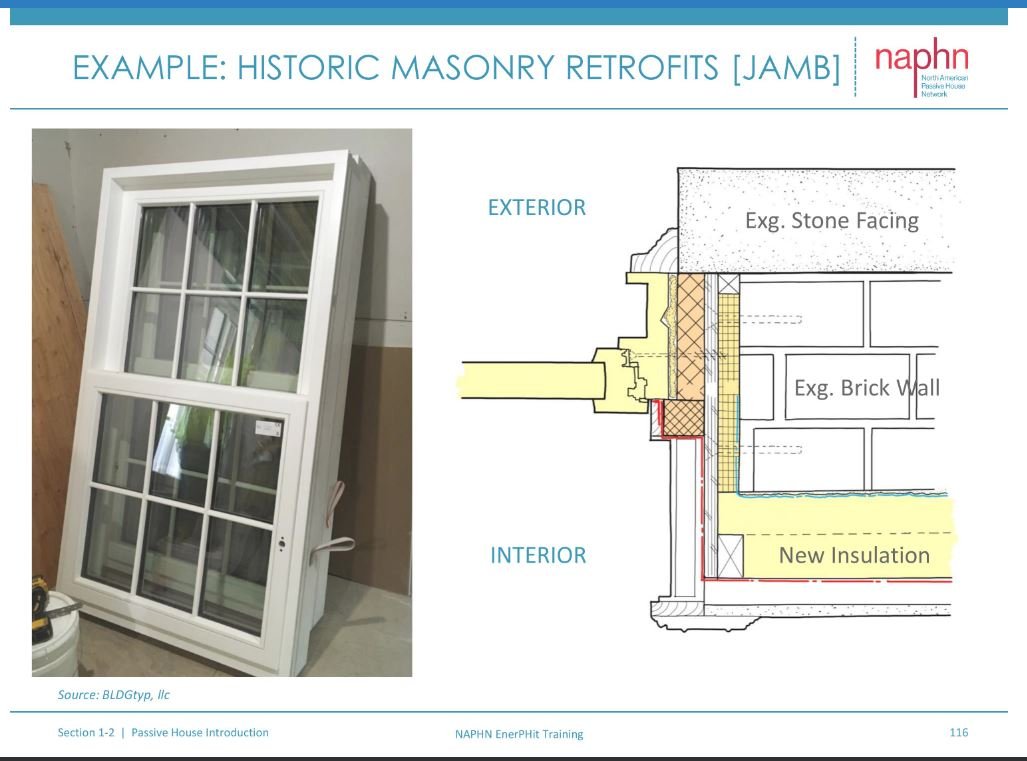
• Training through the Passive House Network (USA) (Passive House Retrofits)
• Interviews with experts in Ireland and Canada (Peter Cox and Susan Ross) and
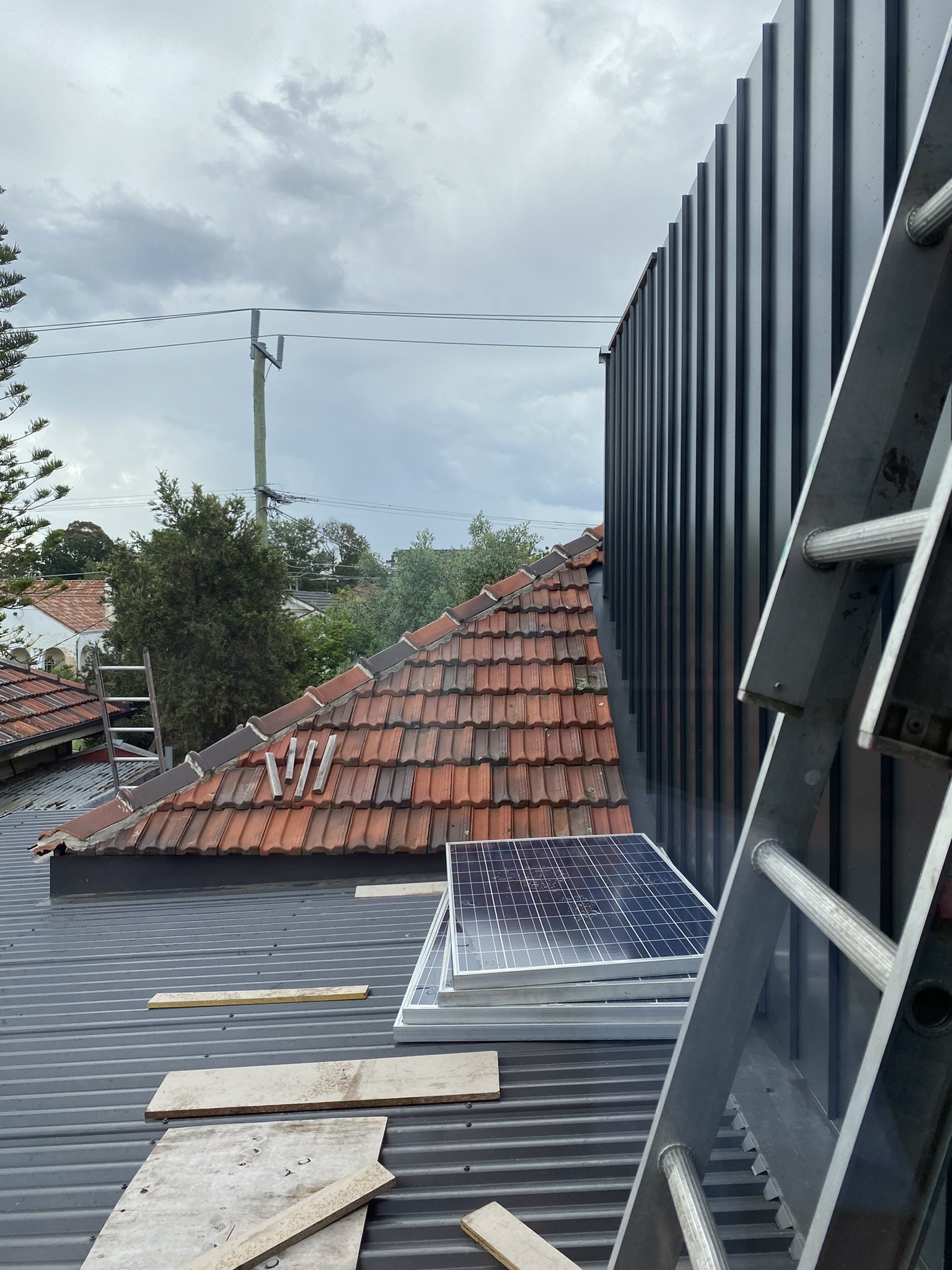
• Site visits to a Passive House building project in Naarm/Melbourne, Australia.
I found that despite some issues, the Passive House standard can be a sympathetic approach to decarbonising heritage places, particularly as the EnerPHit model acknowledges the challenges of working with existing buildings.
I’d love to hear from all my networks out there about your experience of applying Passive House to heritage buildings - please DM me! Times like these I really miss Jeff Robinson, he was an avid supporter of Passive House as applied to heritage buildings and I really value our shared passion and work in this space.
The fellowship report can be read 👉🏽 HERE
📸 Cover image: Glover House, fully certified Passive House retrofit of a Californian Bungalow by Dieppe Design. Source: Dieppe Design (Ed Dieppe), 2022
2023
Hot off the press
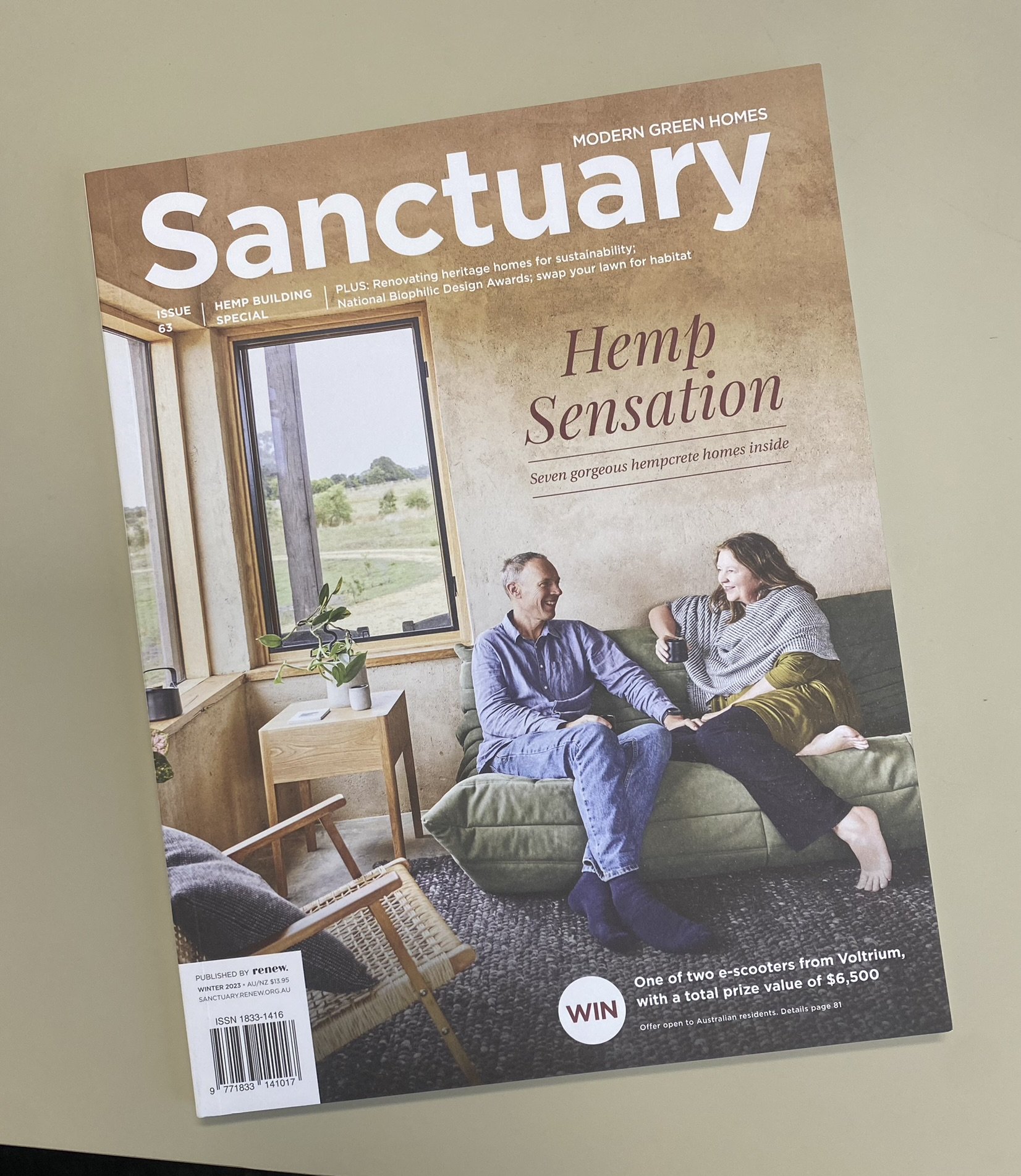
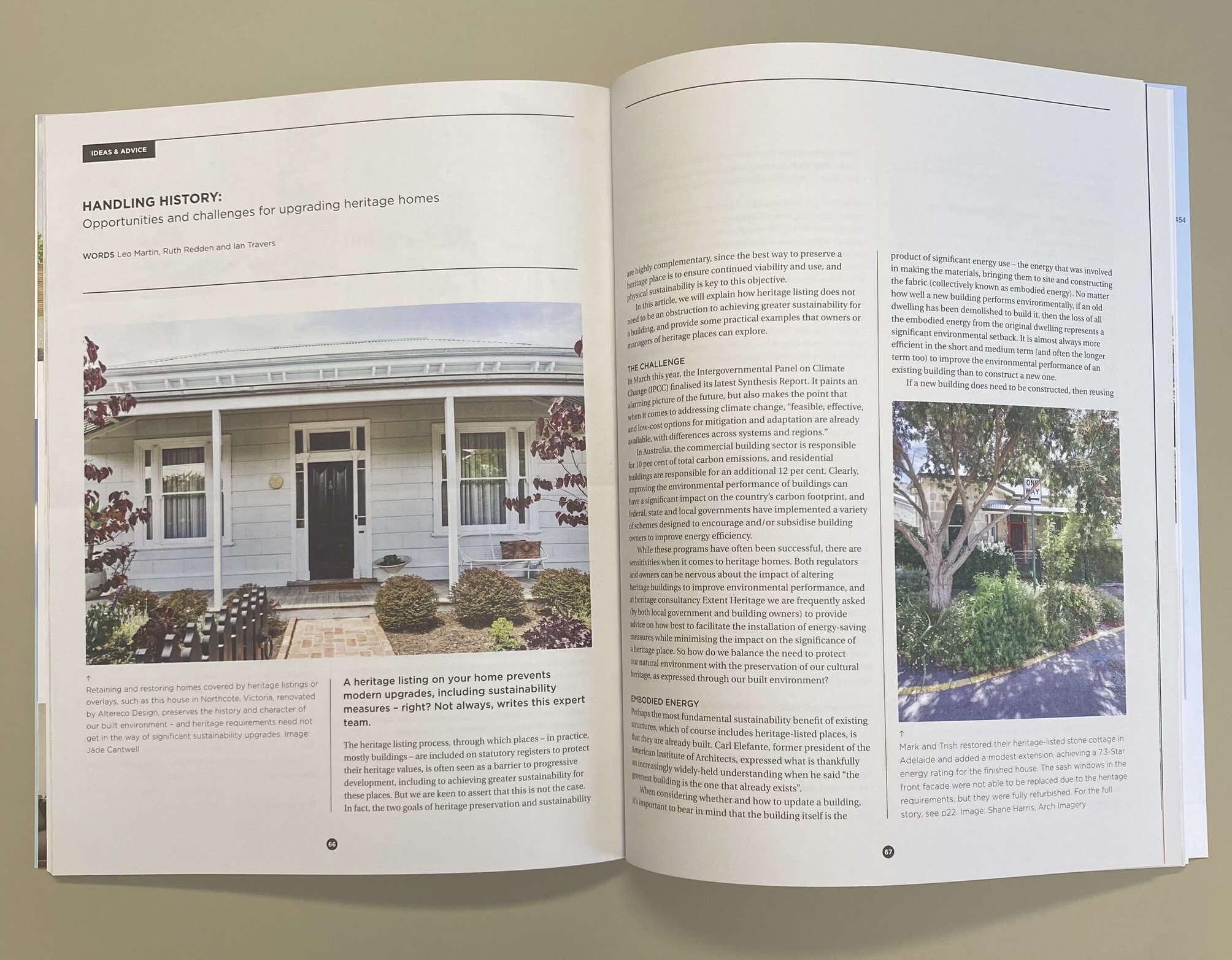
📣 Sanctuary magazine Issue No.63, including an article that I co-authored with Ian Travers and Leo Martin from Extent Heritage on ways to improve the environmental performance of historic places.
Article available to download here and Sanctuary magazine available at all good magazine sellers - online or in print!
Heritage Places and Passive House design
Thanks to the ISS Institute and the The George Alexander Foundation I’ve recently completed 2 international Passive House trainings, interviewed experts across the globe and visited historic buildings that have been retrofitted to Passive House standards whilst conserving contributory historic fabric. It’s so exciting to see the “greening” of historic buildings in action, and sensitively.
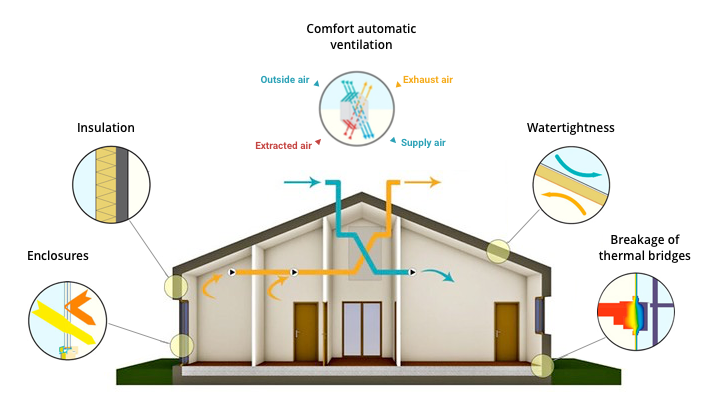
Importantly I’ve learned that there are many correlations between Passive House design and building conservation, especially: scrutinising attention to detail, ventilation, building science and a preference for hygroscopic materials 🌿
The journey isn’t over yet. Fellowship report and practical guidelines for optimising the performance of your historic building coming your way soon!
In the mean time, take a look at this publication by Darebin City Council and Hip V Hype which demonstrates how heritage places can be retrofitted to meet above 7 star NatHERS rating and achieve Net Zero operational energy.
2022


2020
Peer reviewed article written by
Ruth Redden and Robert Crawford
(Associate Professor of Construction and Environmental Assessment, Melbourne University)
on Heritage & ESD available for download now!
ABSTRACT
Buildings account for at least one third of global greenhouse gas emissions and existing buildings constitute 98 per cent of Australia’s building stock in any one year. Hence, existing buildings, many of which have high cultural heritage value, play an important role in addressing climate change and other key environmental challenges. Despite convincing evidence that historic buildings are high environmental performers, most environmental improvement initiatives within building and planning systems continue to focus heavily on operational performance. They generally fail to value broader indicators of environmental sustainability such as resource depletion, material waste and pollution. When these broader environmental benefits of maintaining existing buildings are not considered or appropriately valued, historic fabric is often removed or demolished, often replaced by newer ‘green’ buildings. This not only results in the loss of important cultural heritage, but also a substantial opportunity for maximising environmental outcomes. This article reviews national and international literature on environmental and cultural sustainability to highlight the broad environmental benefits of conserving historic buildings; how they can be valued; and what further research is required to ensure building and planning systems adequately address the role that buildings play within the challenge of anthropogenic climate change.
KEYWORDS Adaptive reuse; building conservation; climate change; environmental sustainability; historic buildings; life cycle assessment (LCA)

“What transformative actions can we take together today to deliver the heritage outcomes of tomorrow, benefiting future generations whilst paying respect to our past?”

I really enjoyed participating in the Heritage Futures Forum. Discover the Heritage Futures Lab and read the story book to discover innovative possibilities for Australia’s heritage future
2019
